.webp)


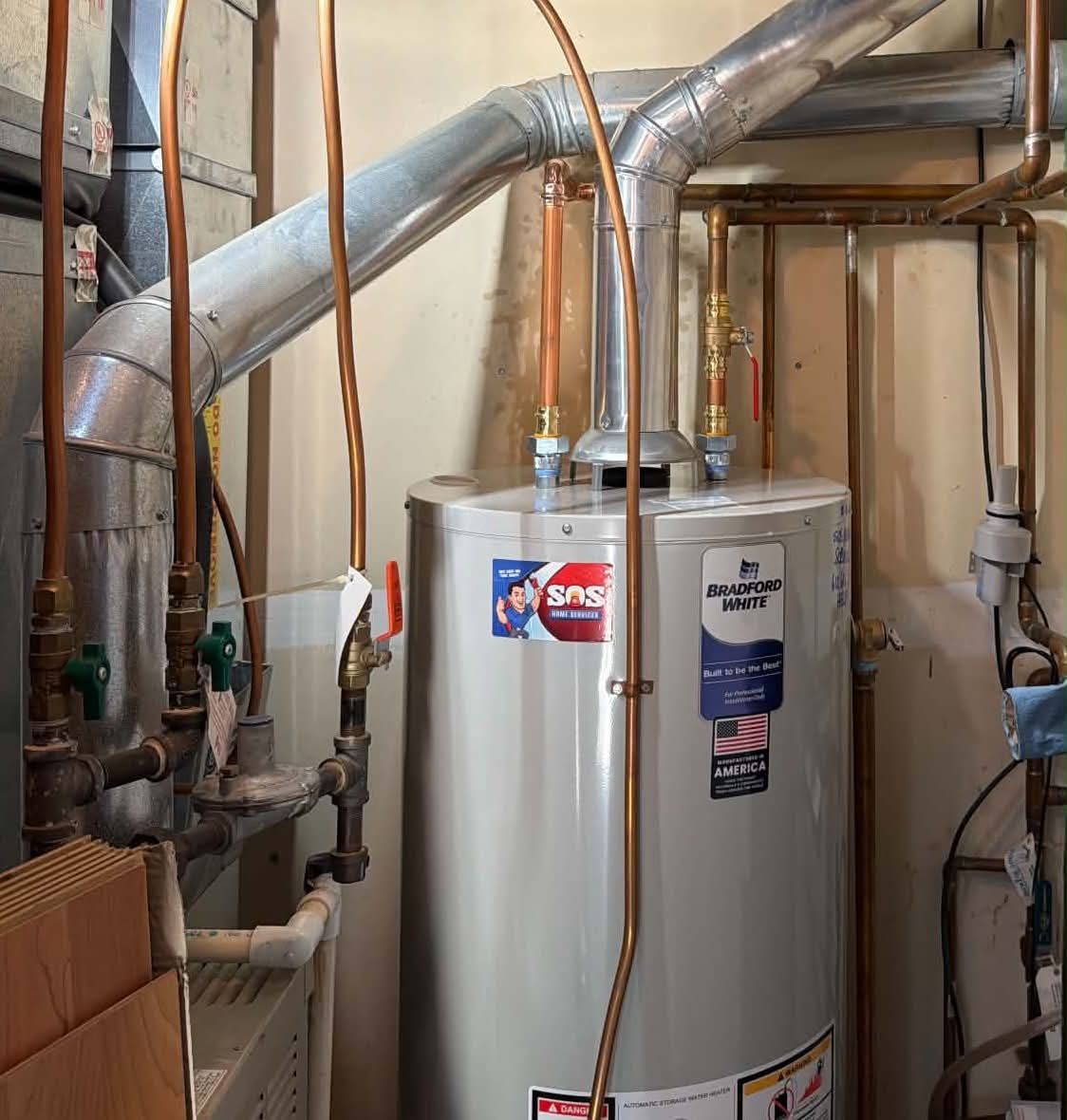
A cold shower on a January morning in Minneapolis has a way of getting your attention fast. Before you assume the worst, it helps to know that "no hot water" has a handful of different causes — some you can rule out in five minutes, and others that genuinely need a licensed plumber. Here's how to figure out what's actually going on, and when to stop troubleshooting and make the call.
Step One: Figure Out Where the Problem Actually Is
The very first thing to check isn't your water heater — it's whether the problem is really coming from there at all.
- Turn on hot water at two or three different fixtures — a bathroom sink, the kitchen faucet, a shower. If all of them are cold, the problem is almost certainly your water heater.
- If only one faucet or shower is affected while everything else in the house has normal hot water, the water heater isn't the issue. The problem is local to that fixture — usually a failed cartridge or valve — and no amount of troubleshooting at the tank will fix it.
This one check can save you a diagnostic visit: we've had plenty of calls that turned out to be a single worn-out shower cartridge, not a failing water heater.
If It's Just One Fixture
A single faucet or shower losing hot water while the rest of the house is fine almost always points to the cartridge or mixing valve inside that specific fixture — the small internal part that blends hot and cold water. These wear out over time, especially in the Twin Cities' hard water, and the fix is a fixture repair, not a water heater repair. If that's what you're dealing with, see our faucet and valve repair service; this is a fixture problem, not a water heater diagnosis.
If It's the Whole House: No Hot Water Anywhere
This is where the cause depends on whether you have a gas or electric water heater.
For gas water heaters:
- Check the pilot light. If it's out, most tanks have relighting instructions printed right on the unit — follow them exactly. If it won't stay lit after you've relit it, that usually points to a failing thermocouple, the small safety sensor that tells the gas valve the pilot is burning.
- Confirm the gas valve is fully open. It's an easy thing to bump accidentally, especially after any nearby work.
- If you smell gas at any point, stop immediately. Leave the house, don't operate any switches, and call your gas utility or 911 from outside before doing anything else.
For electric water heaters:
- Check your breaker panel for a tripped breaker on the water heater's circuit and reset it if needed. After a reset, it can take a couple of hours for a full tank to heat back up, so don't assume it failed again if the water isn't hot immediately.
- If the breaker trips again after resetting, that's a sign of a bigger electrical issue — a failing heating element or thermostat — and it's not safe to keep resetting it repeatedly.
Why Winter Makes "No Hot Water" More Common in Minneapolis
Two things about a Twin Cities winter make hot water problems both more common and more noticeable at this time of year. First, incoming groundwater temperature drops significantly in winter, which means your water heater has to work harder to bring water up to temperature — a tank that was barely keeping up in summer can start falling behind once the incoming water gets colder, especially if there's sediment buildup reducing its effective capacity. Second, during a hard freeze, a hot water line running through an uninsulated wall or an unheated space can freeze even while the cold water line right next to it keeps flowing — cold water pipes are typically routed through better-insulated interior walls, while hot water lines don't always get the same treatment. If cold water works fine at every fixture but hot water doesn't work anywhere, a frozen hot water line is worth considering, especially during a cold snap.
When to Stop Troubleshooting and Call a Plumber
A few situations call for a professional rather than continued DIY troubleshooting:
- You smell gas, at any point — leave the house and call your utility first, then us.
- The pilot light won't stay lit after a proper relight, which usually means a thermocouple or gas valve issue.
- The breaker keeps tripping when reset, which points to an electrical fault inside the unit.
- There's water pooling around the base of the tank. That's a separate problem from "no hot water," and it means the tank itself may be failing — use our water heater leak causes guide to identify what those signs mean.
- The water heater is 10-plus years old. At that age, a "no hot water" event is sometimes the first sign the unit is nearing the end of its service life rather than a simple part failure. Our Minnesota water heater lifespan guide walks through how to tell the difference.
Why Homeowners Choose SOS for No-Hot-Water Calls
- We diagnose before we recommend. If it's a $30 thermocouple, that's what we'll replace — not an automatic sales pitch for a new tank.
- We know Minnesota's winter-specific causes. Frozen lines, cold-water-driven recovery issues, and sediment buildup from our hard water all get checked, not just the obvious parts.
- Upfront pricing. You'll know the cost before any repair starts.
- All major brands. Rheem, A.O. Smith, Bradford White, and more — we service what's already installed in your home.
Serving Prior Lake and the Twin Cities Metro
SOS Home Services is a family-owned plumbing company based in Prior Lake, MN, providing water heater diagnosis and repair within a 50-mile radius, including Minneapolis, St. Paul, Bloomington, Eagan, Eden Prairie, Burnsville, Lakeville, and Shakopee — available 24/7.
Frequently Asked Questions About No Hot Water
Why do I have hot water in one bathroom but not another?If it's isolated to specific fixtures rather than affecting the whole house, the water heater itself is almost certainly fine. The issue is usually a worn cartridge or valve inside that particular faucet or shower.
My pilot light keeps going out — what does that mean?A pilot that won't stay lit after being properly relit is most often a sign of a failing thermocouple, the safety sensor that keeps the gas valve open while the pilot burns. This is a straightforward repair for a licensed plumber and not something to keep relighting repeatedly.
Is it normal for hot water to take longer to recover in winter?Yes, to a degree — colder incoming groundwater in winter means your tank has more work to do to reach the same temperature. But if recovery has gotten noticeably slower over time, sediment buildup reducing the tank's effective capacity is a common contributing cause.
Can a frozen pipe really cause "no hot water" while cold water still works?Yes. Hot water lines aren't always routed with the same freeze protection as cold water lines, so during a hard freeze it's possible for a hot water line to freeze while the cold line stays open.
How do I know if it's my water heater or just an old unit that needs replacing?Age is the biggest clue — most tank water heaters last 8 to 12 years, sometimes longer with good maintenance. If your unit is in that range and having repeated issues, it's worth discussing repair versus replacement rather than fixing the same problem again in six months.
Is it safe to keep relighting my pilot light myself?Relighting it once or twice following the manufacturer's printed instructions is generally fine. If it won't stay lit, repeatedly relighting it isn't a fix — it's a sign of an underlying problem that needs a professional.
No hot water right now? Call SOS Home Services at (612) 636-4357 or book your visit online at callsosnow.com. We serve Minneapolis and the entire Twin Cities metro, 24/7.
If the checks above do not restore hot water, review our water heater repair and installation service.